
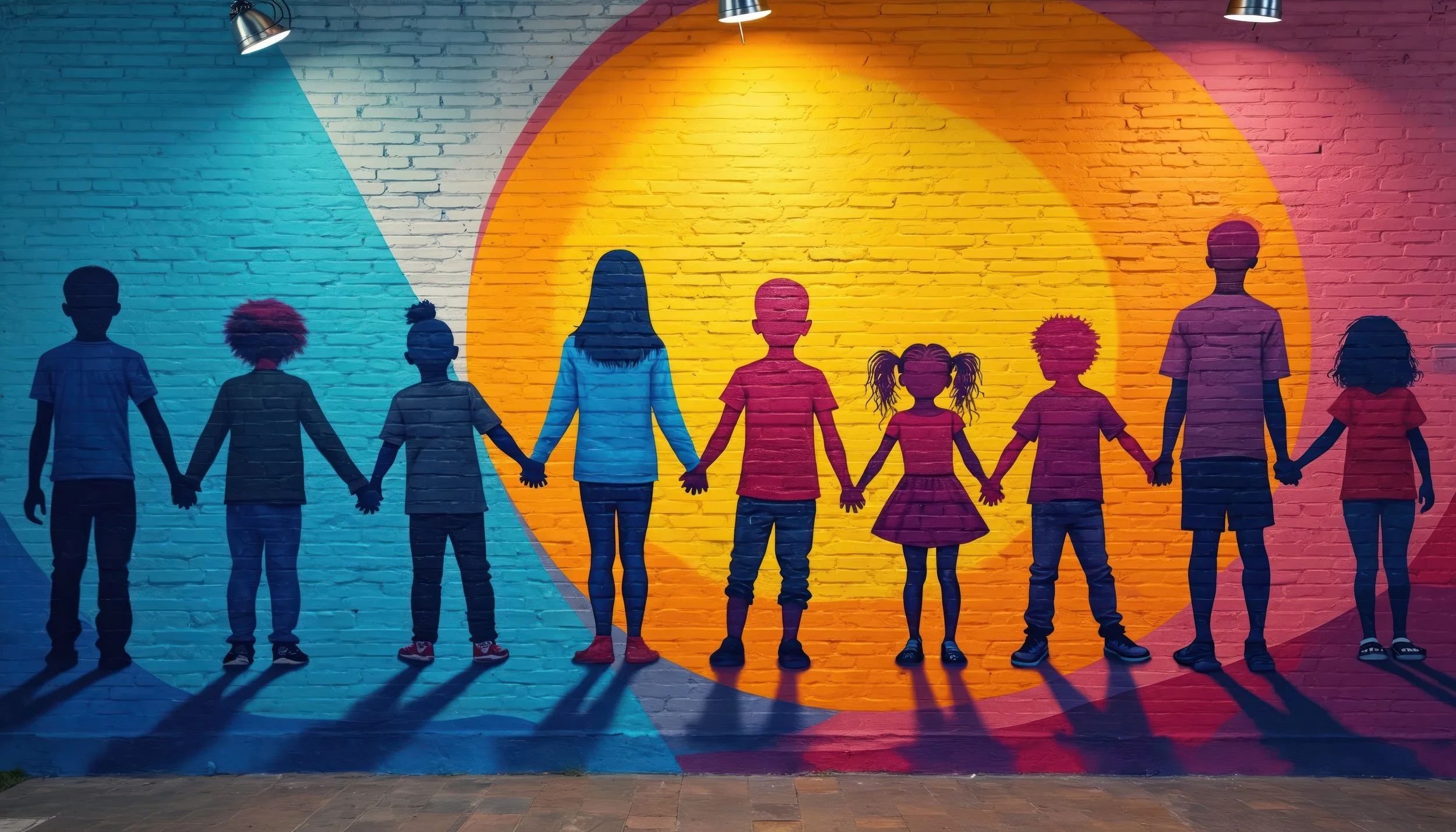
children
young
people
& families
We provide specialist, trauma-informed counselling and therapy for children and young people aged 4 to 25 who have experienced rape, child sexual abuse, sexual violence or related trauma, at any point in their lives. This includes play and creative therapy for children aged 4 and over, and talking therapy for young people aged 12 to 24 who need a safe, structured space to begin processing what has happened.
With the right support, children and young people can rebuild and move forward from what they've endured. Our services exist to give them that space.
Our Approach
GENTLE AND EMPATHETIC
Our counselling is shaped by RCSL's values, trauma-informed practice, and each young person's individual needs. We match every young person with a therapist who has the right skills, experience and availability to support them safely.
PROFESSIONAL
Our therapists are qualified specialists with experience supporting survivors of rape, sexual abuse and sexual violence. They work within recognised frameworks, including BACP, UKCP and other relevant professional bodies.
RESPECTFUL AND HONEST
Trusting a counsellor can feel difficult, especially after sexual violence or abuse. We take things at your pace, we're honest about how counselling works, and we stay with you through the process
Service Availability by Borough
Play therapy, creative therapy, talking therapy, grounding and stabilisation support, family support and support groups are available across all twelve boroughs: Bexley, Bromley, Croydon, Greenwich, Kingston Upon Thames, Lambeth, Lewisham, Merton, Richmond Upon Thames, Southwark, Sutton and Wandsworth.
Wellbeing advocacy, trauma-informed counselling and therapy, brief child ISVA support, and support for young people with additional needs are delivered through our South West London CYP Support Hub, and are available only in Croydon, Kingston, Merton, Richmond, Sutton and Wandsworth.

play and creative therapy Age 4+
We offer specialist, trauma-informed play and creative therapy for children aged 4 and over who have experienced sexual abuse, sexual violence or related trauma.
Children don't always have the words for what has happened, or how they feel about it. Play, art and creative work give them another way to express themselves, at their own pace, guided by qualified trauma therapists experienced in working with children who've experienced sexual abuse or violence.
For referral information, contact CYPCounsellingAdmin@RapeCrisisSouthLondon.org.
services AVAILABLE in: Bexley. Bromley. Croydon. Greenwich. Kingston Upon Thames. Lambeth. Lewisham. Merton. Richmond Upon Thames. Southwark. Sutton. Wandsworth
Referrals can come from parents, carers, social workers, schools, CAMHS, police, health professionals or other agencies, including organisations like the NSPCC.
Young people aged 15 and over may also contact us directly. We'll talk through what support they want, whether counselling feels right, and what consent or safeguarding arrangements are needed. In some cases we may need to involve a parent, carer or another professional, particularly where there are concerns about safety.
Every referral is reviewed to make sure our service is right and safe for that young person at that time.
-
Aged 4 to 12+
Play and creative therapy - For children and younger young people, counselling may include play, art, stories and creative activities. This can help them express feelings and experiences in a way that feels safer and more manageable than talking alone. -
All ages welcome
-
Aged 12 to 24 (up to 30 sessions) - online, face-to-face in our Croydon help centre, in an educational setting, at one of our hubs, or by telephone. Longer term talking therapy offers a safe and confidential space to explore feelings, thoughts and experiences at the young person’s own pace. They do not have to talk about anything before they feel ready. Counselling will look different depending on the young person’s age, needs and what feels safe and helpful for them.
-
Grounding and stabilisation support is usually offered as a short block of up to 6 sessions. These sessions focus on helping young people manage difficult feelings, flashbacks, anxiety or feeling overwhelmed. This work does not involve deeper trauma processing, but can help young people feel more present, safe and able to cope.
-
One to ones up to 6 sessions
We offer supportive sessions for parents and carers of children and young people accessing our service. This space can help you better understand the impact of trauma, explore ways to support your young person, and feel supported yourself throughout the therapeutic journey (when available).
-
Parent/young people groups. 8 persons per group for up to 8 sessions
We offer therapeutic and support groups for children, young people, and families where appropriate. Groups provide a safe and supportive space to connect with others, build confidence, reduce isolation, and explore recovery through shared experiences and guided activities (when available)
South West London Support Hub services across; Croydon, Kingston upon thames, Merton, Richmond, Sutton and Wandsworth.
-
AGE: 4 to 18
Play and creative therapy - For children and younger young people, counselling may include play, art, stories and creative activities. This can help them express feelings and experiences in a way that feels safer and more manageable than talking alone. -
AGE: 4–18
Longer-term counselling & therapy for children and young people affected by child sexual abuse, sexual violence, exploitation or related trauma. This could include creative arts and play therapy or counselling.
The theraputic approach will be appropriate to the child or young person’s age, developmental stage and theraputic needs.
Counselling is paced around the child or young person’s needs. They will not be forced to talk about anything before they are ready.
-
AGE: UP TO 18
Time-limited advocacy support around sexual violence and the criminal justice process.
This may include support with understanding rights, police processes, court-related worries, safety planning and onward referrals.
-
Support may also be available for non-abusing parents, carers and family members.
This may include emotional support, information about trauma responses, guidance around responding to disclosures, and support to strengthen safety and recovery at home.
-
AGE: 12–25
With specialist partners, we will provide tailored support for young people with a learning disability, autism, or both.
We will consider communication, access, sensory, learning and support needs as part of the referral and assessment process.
Your counsellor:
WILL
Be supportive and understanding. Help you explore your feelings, thoughts and experiences. Work with you on grounding exercises, safety planning, or connecting you with our CYP or Safeguarding teams. Support you to make empowered choices, within our safeguarding and confidentiality boundaries, about what happens next, including accessing medical support if needed. Call emergency services if you're at serious risk of harm during a session. Speak to our Clinical Manager or Safeguarding team if there's a risk of harm to you or someone else.
Will not
Judge you or tell you what to do. Minimise or dismiss your feelings. Close the door on therapy. If it feels too difficult the first time, you can come back when you're ready.
Confidentiality
We actively protect your information from unauthorised access or disclosure. There are limits to this, however. In situations involving life-threatening harm, or where the law requires it, we may need to break confidentiality and contact third parties such as emergency contacts or your GP. We'll always think carefully about how we manage this, and be as transparent with you as we can.
Support for Non-English Speakers
If English isn't your first language, we'll explore interpreter options. If you've been referred by a professional organisation, we may ask them to help with language support. Where we can't meet your needs directly, we'll refer you to an organisation that can.