
number
Not Just a
Sexual violence is not rare or distant. It's happening across England and Wales, and across the world, on a scale that's difficult to grasp. The numbers below aren't abstract. Each one represents real people, real lives, shown here city by city, country by country.
In 2024, police recorded 71,227 rapes in England and Wales. Charges were brought in just 2.7% of those cases, fewer than three in a hundred, let alone convicted. The system built to respond to this is failing to keep pace.
Most survivors are attacked by someone they know. Six in seven rapes against women are carried out by someone familiar to them. Justice is slow too: adult rape cases take an average of two years to reach court, with 14,180 cases currently waiting to be heard.
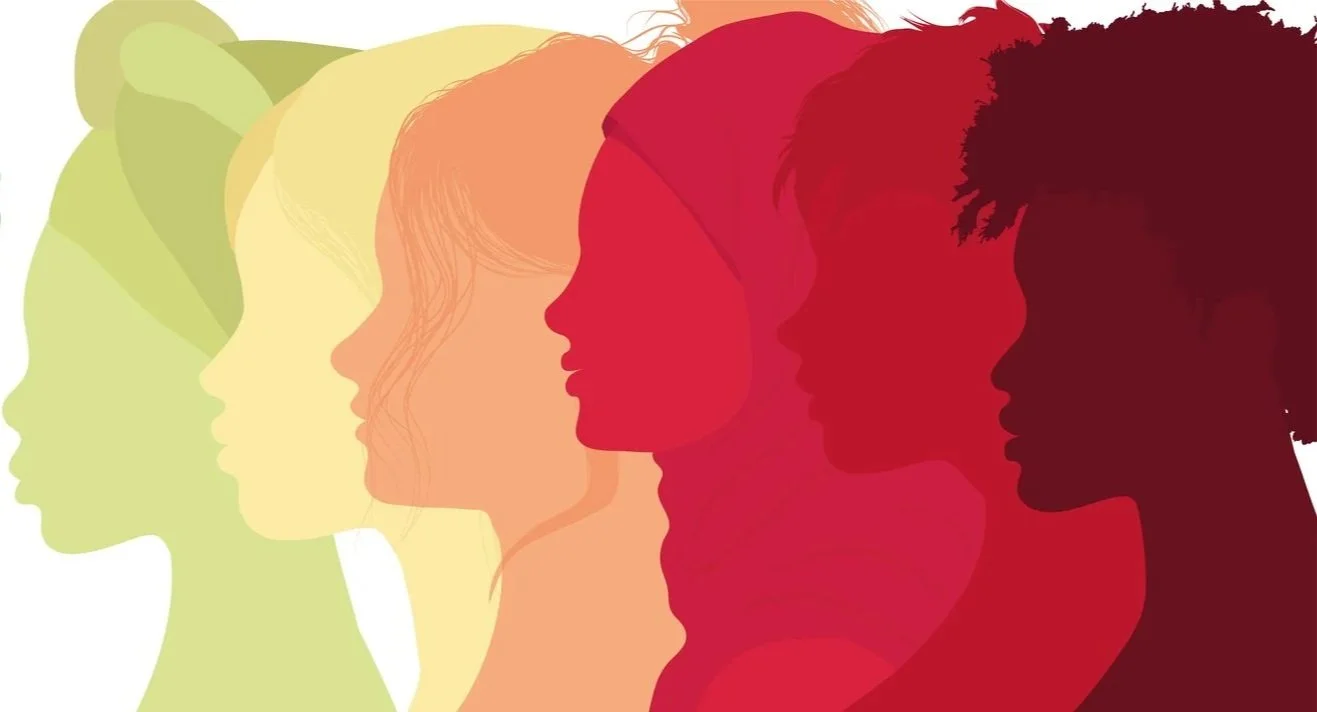
6.3 MILLION
One in four women in England and Wales have been raped or sexually assaulted since the age of 16. That's not a small subset, a distant statistic, or something that happens to someone else. It's over six million women.
To understand what that number means, picture every woman and girl living in five of the country's biggest cities. London. Birmingham. Sheffield. Bradford and Leeds. Every single one of them, added together, comes to roughly 6.3 million. That's the same scale as the number of women in England and Wales who have lived through this.
Five cities. Millions of women. One in four.
500,000
Children make up just 20% of the population in England and Wales, yet they are the victims in 40% of all recorded sexual offences. The Centre of Expertise on Child Sexual Abuse estimates that 500,000 children are sexually abused every year, right now, in family homes, in institutions, in communities, and online.
To make sense of a number that size, picture every child living in five of the country's cities. Birmingham. Leeds. Liverpool. Cardiff. Luton. Every child in every one of those places, added together, comes to roughly 502,500. That's the same scale as the number of children being sexually abused across England and Wales in a single year.
Five cities. Half a million children. Every year.
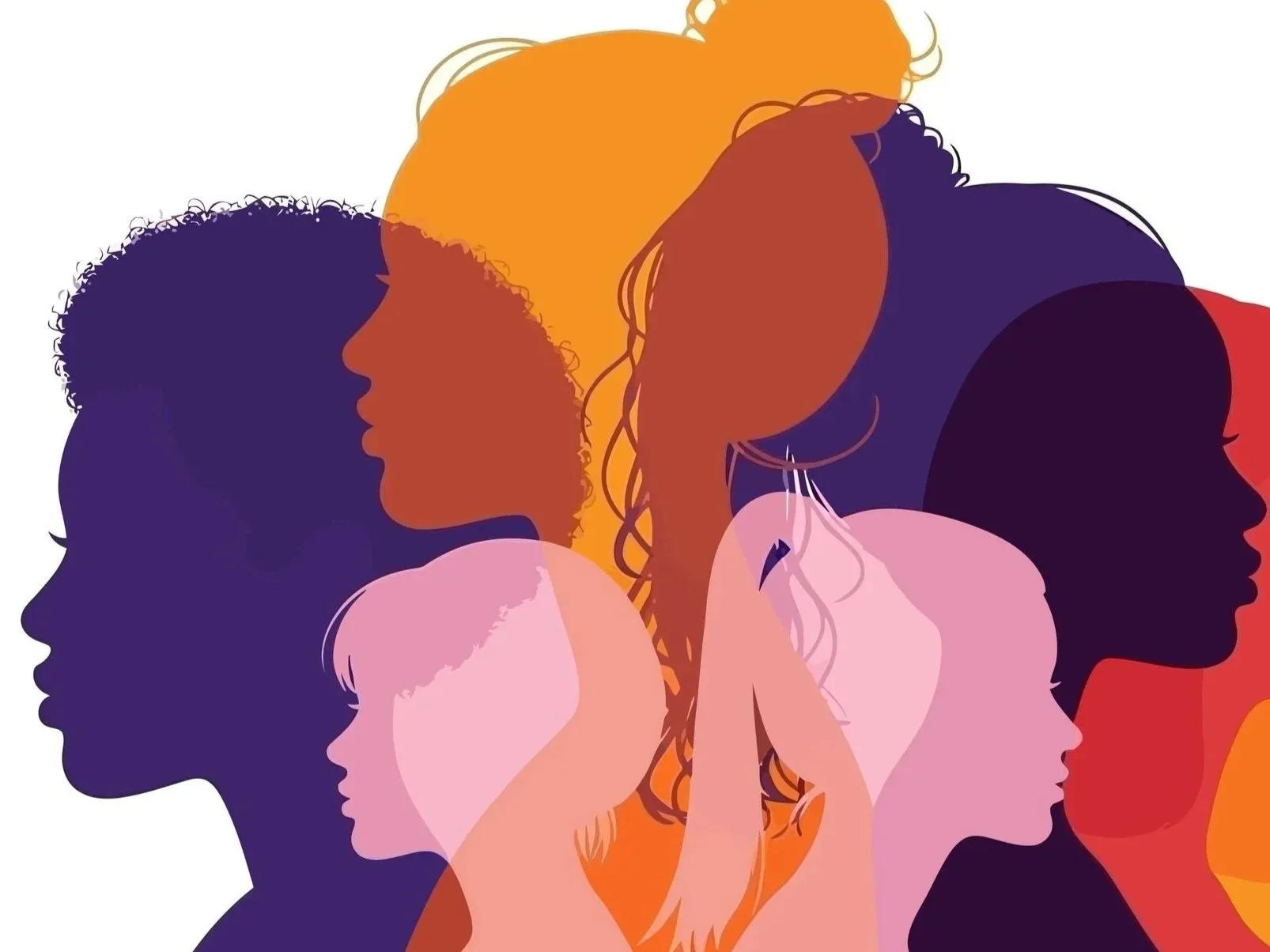
840 million
Almost one in three women worldwide have experienced physical or sexual violence at least once in their life. In most cases, the person responsible was a current or former partner.
To picture that number, imagine every woman living in Great Britain, the United States of America, Indonesia, Pakistan, Nigeria, Brazil, Bangladesh, Vietnam, and Poland. Add them together and you reach roughly 838 million women. Or take the entire population of the United States of America, Indonesia, and Brazil, around 843.4 million people.
This happens in wealthy countries and poor ones, in cities and in villages nobody's heard of, to women with degrees and women who never had the chance to go to school. It happens in homes that look ordinary from the outside, to women who seem, by every measure, safe.
No country, no class, no age group stands outside these numbers. It happens anywhere. To anyone. At any time. No border stops it. No background changes it.
sexual violence myths
These myths do more than spread misinformation. They make it harder for survivors to be believed, and harder for them to come forward.
-
Nobody asks to be raped. Walking into someone's home or car isn't consent to anything. Sex without consent is rape, full stop.
-
Consent isn't a one-time agreement. Having said yes once doesn't mean saying yes forever, or ever again.
-
Rape doesn't check age, appearance, class, culture, ability, gender, sexuality, race, or religion. It's an act of violence and control. It has nothing to do with how someone looks.
-
No means no. Every time, at every stage. Anyone can change their mind mid-way through, too. If the other person doesn't stop, that's sexual assault or rape. Check in with your partner. Listen. Believe them.
-
What someone wears says nothing about what they want. Clothing isn't consent.
-
Being drunk or high doesn't mean someone wants sex, and it never means they're consenting to it. People are allowed to drink without being assaulted. Having sex with someone too drunk, drugged, or unconscious to consent is rape. That's on the rapist, always.
-
Rape isn't about desire. It's about power, control, and one person deciding another person's consent doesn't matter.
-
Most survivors know the person who raped them. A friend. A family member. A partner. Someone they trusted enough to let into their home, their workplace, their life.
-
There's no profile for a rapist. People who commit sexual violence come from every background, every class, every community.
-
It does, just as often as in straight relationships. Trans people may face even higher risk from partners. LGBT+ survivors often face extra barriers to support, on top of everything else, because of stigma and prejudice.
-
Freezing is one of the most common responses to an assault. Some people can't move or speak at all in that moment. Others are manipulated or threatened into silence. Whether or not someone fights back, if they didn't freely consent, it's rape.
-
Consent has to be given, freely, every single time, no exceptions, including within a relationship or marriage. Rape and sexual violence within a relationship is a crime.
-
False allegations of rape are no more common than false allegations of any other crime. Cases don't reach court for all kinds of reasons, often because the evidential bar is set so high. That's not the same as a survivor lying. It never has been.
You can be part of the change.
The numbers on this page aren't just statistics. They're the reason our work matters, and the reason it needs to keep growing. Sign up for our newsletter to stay informed on the issues, hear about our campaigns, and find out how you can support survivors in your community.
If you've been affected by anything on this page, you don't have to go through it alone. Our support services are here, whenever you're ready.